Methodology
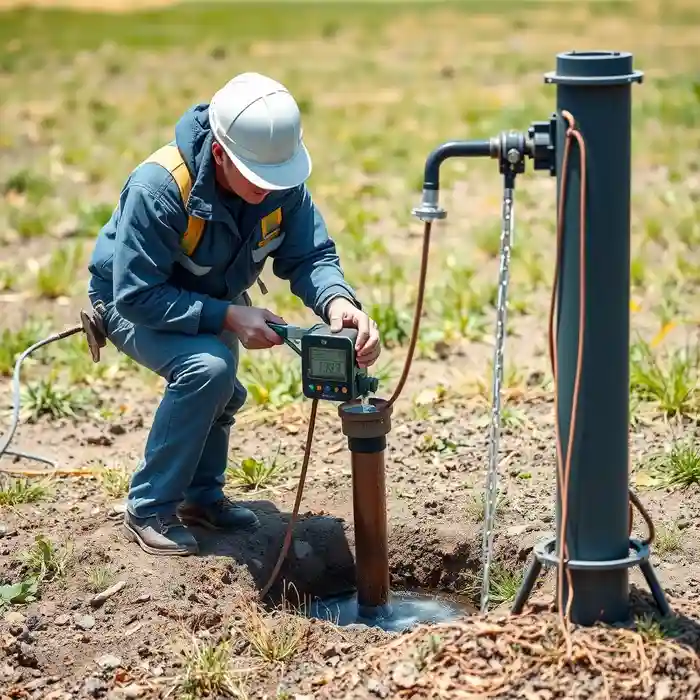
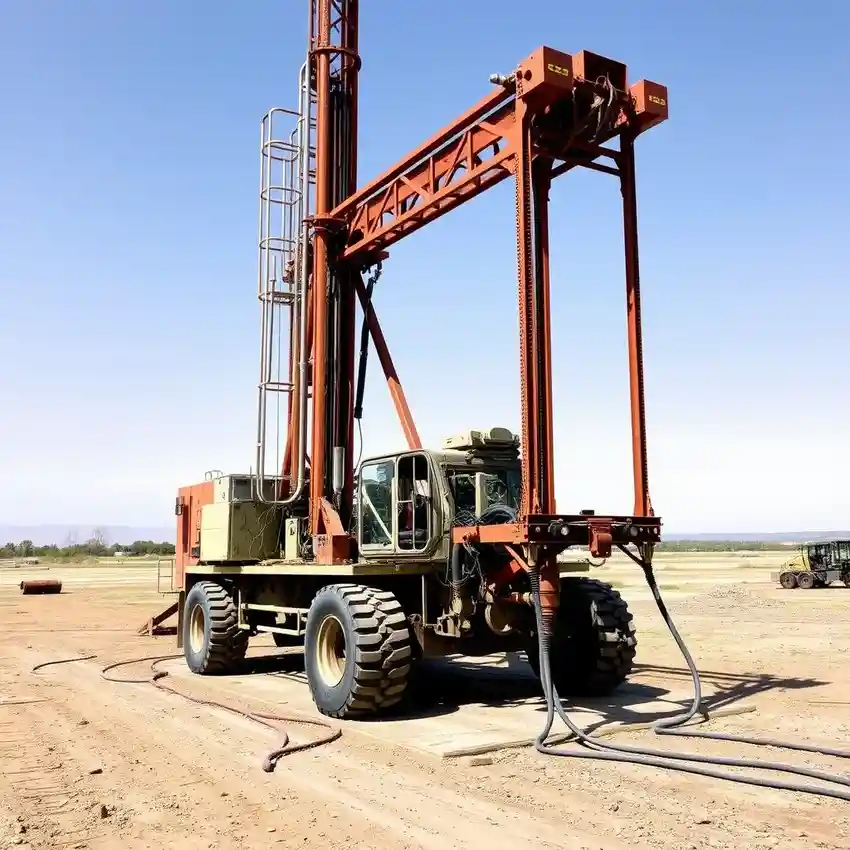
Our approach to water well drilling in Aurora begins with a thorough assessment of the site's geological and hydrogeological setting. We analyze available data on the local aquifers, primarily within the glacial drift and shallow bedrock formations. This informs the drilling strategy, whether for a shallow well in the sand and gravel deposits or a deeper well into the sandstone bedrock. The entire water well drilling process is conducted with precision, from rig mobilization to well development, ensuring optimal construction for long-term performance and water quality protection in the local environment.
Reference Technical Parameters
| Parameter | Reference Value |
|---|---|
| Predominant Soil Type | Glacial Till, Sand & Gravel Outwash |
| Bedrock Depth (Typical) | 50 - 150 feet below surface |
| Typical Groundwater Level | 10 - 30 feet below surface (variable) |
| Maximum Seismic Acceleration (PGA) | Site-Specific (per IBC/ASCE 7) |
| Typical SPT N60 Range (in Cohesive Till) | 15 - 40 blows/ft |
Local Considerations — Aurora Illinois
1. **Geology & Aquifers**: Aurora sits over glacial till, outwash sands and gravels, and the underlying sandstone of the Cambrian-Ordovician aquifer system. Well depth and yield are highly dependent on the specific location relative to these variable deposits. 2. **Groundwater Level**: The water table is generally shallow, influenced by the Fox River and local precipitation, but can fluctuate seasonally. 3. **Seismic Considerations**: While seismic risk is moderate compared to other regions, local building codes incorporate provisions for foundation design. A proper hydrogeological survey is crucial for understanding subsurface conditions. 4. **Neighborhood Contrast**: Older, river-adjacent areas may have different subsurface conditions compared to newer developments on the glacial plains. 5. **Typical Cases**: Many projects involve tapping the shallow sand and gravel aquifer for residential use, while deeper, higher-yield wells for commercial purposes often target the bedrock aquifer. For complex regional projects, learn about our water well drilling services from our Chicago hub.
Request a Quote
Our team reviews your project and issues an initial report at no cost.
Or write us directly at [email protected]
Services in Aurora Illinois
Applicable Standards
- Illinois Water Well Construction Code
- Aurora Municipal Code
- IBC/ASCE 7 Seismic Provisions
- EPA Safe Drinking Water Act Standards
Frequently Asked Questions
What are the common soil and rock conditions for water well drilling in Aurora?
Aurora's subsurface typically consists of layers of glacial till (clay, silt, sand, gravel) overlying sand and gravel outwash deposits, which form productive shallow aquifers. Beneath these, at varying depths, lies the sandstone bedrock of the Cambrian-Ordovician aquifer system, a major source for deeper, high-yield wells. The specific sequence and thickness vary significantly across the city.
Are seismic studies required for water well drilling projects in Aurora?
While a full seismic hazard analysis is not typically required for a standard water well, understanding the local subsurface conditions is critical for proper well construction and any associated structure foundations. Site-specific hydrogeological investigations, which consider seismic parameters, are often mandated for new commercial buildings or critical infrastructure, indirectly influencing well placement and design.
Is a hydrogeological study mandatory before drilling a water well in Aurora?
The Illinois Water Well Construction Code requires a permit application that includes details on the proposed well's construction and location. While not always mandating a full private hydrogeological report, proof of adequate setback distances from potential contamination sources and an understanding of the local aquifer are required. For non-standard, high-yield, or commercial wells, a professional survey is highly recommended and often essential for approval.